Khmer Sight Foundation: Restoring Vision and Building Healthcare Capacity in Cambodia
The Khmer Sight Foundation works to improve eye care and restore sight in Cambodian communities. Cambodia has one of the highest rates of avoidable blindness in Southeast Asia. This is because rural areas have a hard time getting to expert eye care professionals. Over the past twenty years, the Khmer Sight Foundation has been working to close this important health gap through new training programs, volunteer missions, and long-term healthcare services. This all-around method not only helps thousands of people get their sight back every year, but it also builds local capacity to protect everyone's eye health in the long run.
Figuring out what the Khmer Sight Foundation's goal is
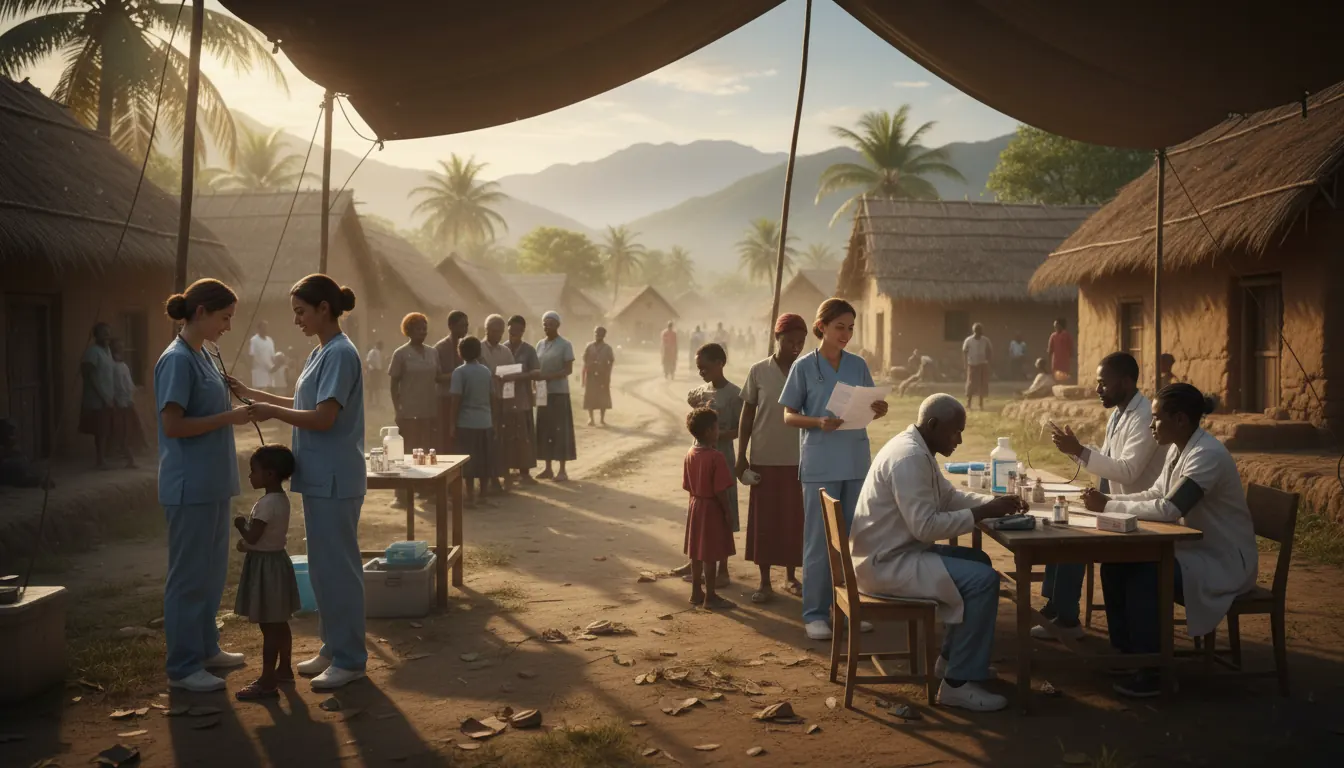
The Khmer Sight Foundation's work is an all-around method to preventing blindness that uses a number of interconnected tactics. Instead of just taking care of patients right away, the group focuses on building long-term local ability that will help the people of Cambodia for generations to come.
How Khmer Sight Foundation Began and How It Has Changed Over Time

In the early 2000s, a group of Australian ophthalmologists saw that Cambodia badly needed more trained eye care professionals and started the organization. At that time, there were less than ten trained ophthalmologists in the country, but most of them lived in cities like Phnom Penh and treated people with eye problems. This difference meant that people in rural Cambodia could not get even basic eye exams, let alone surgery for cataracts or other diseases that could be treated.
Over the years, Khmer Sight Foundation has grown from sending surgeons on regular trips to setting up a stable training center in the province of Siem Reap. This change was part of a larger plan to make eye health services more sustainable and give people in the area more control over them. Together with Cambodian medical schools, the group made approved training programs that meet international standards while also being culturally suitable and cost-effective for the area.
Core programs in Cambodia train people to work as eye doctors
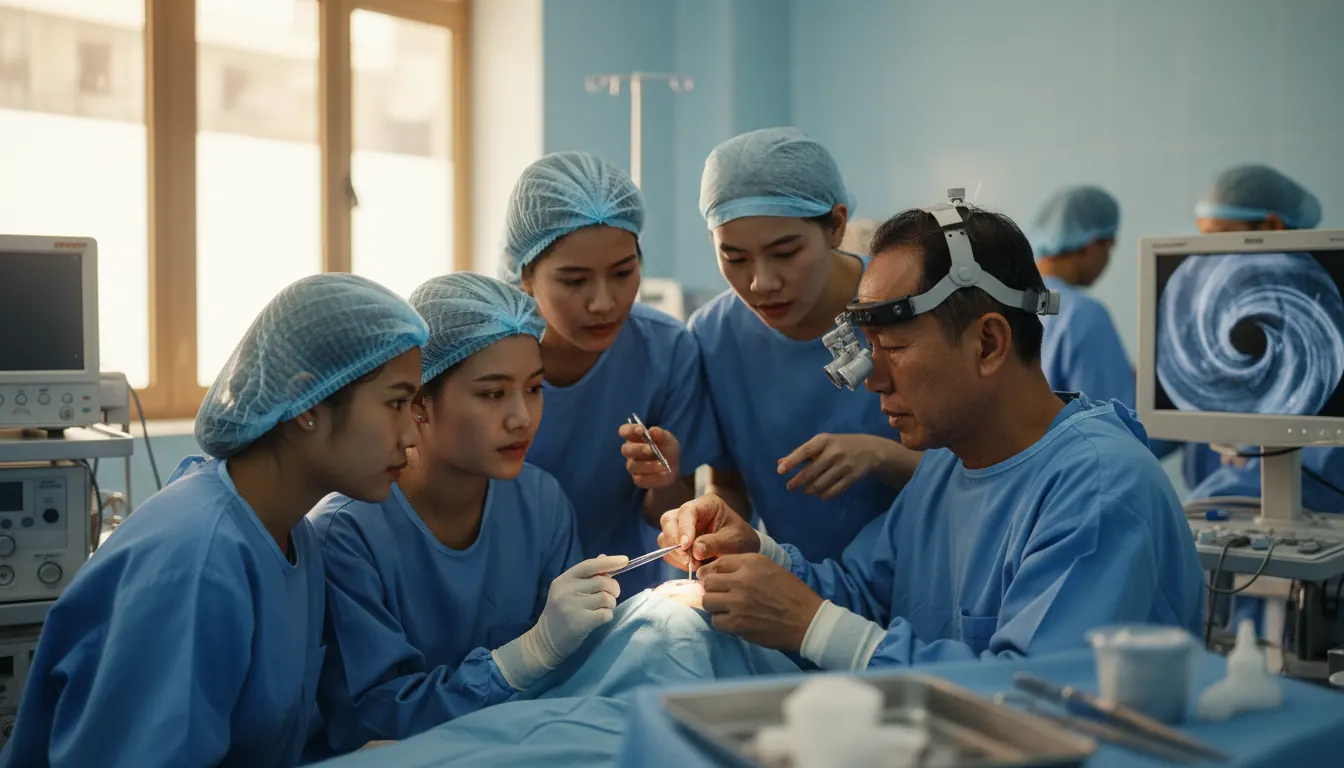
The foundation's training program covers a wide range of eye care skills, from basic vision tests to advanced surgical methods. Primary eye care workers learn how to recognize common diseases, do vision tests, and handle easy cases that fall within their area of expertise. Mid-level ophthalmic nurses go through intensive programs that last 18 to 24 months and cover diagnostic processes, care before and after surgery, and follow-up routines.
Residents in ophthalmology go through training programs that are approved by regional medical boards for three years. They get hands-on experience while being supervised by experienced doctors. Microsurgical methods for cataracts, glaucoma control, retinal diagnostics, and juvenile ophthalmology are all part of this advanced training. Graduates are fully prepared to run eye care units and teach the next crop of doctors, which keeps the cycle of sharing information going.
Metrics for measuring impact: how volunteer missions change lives
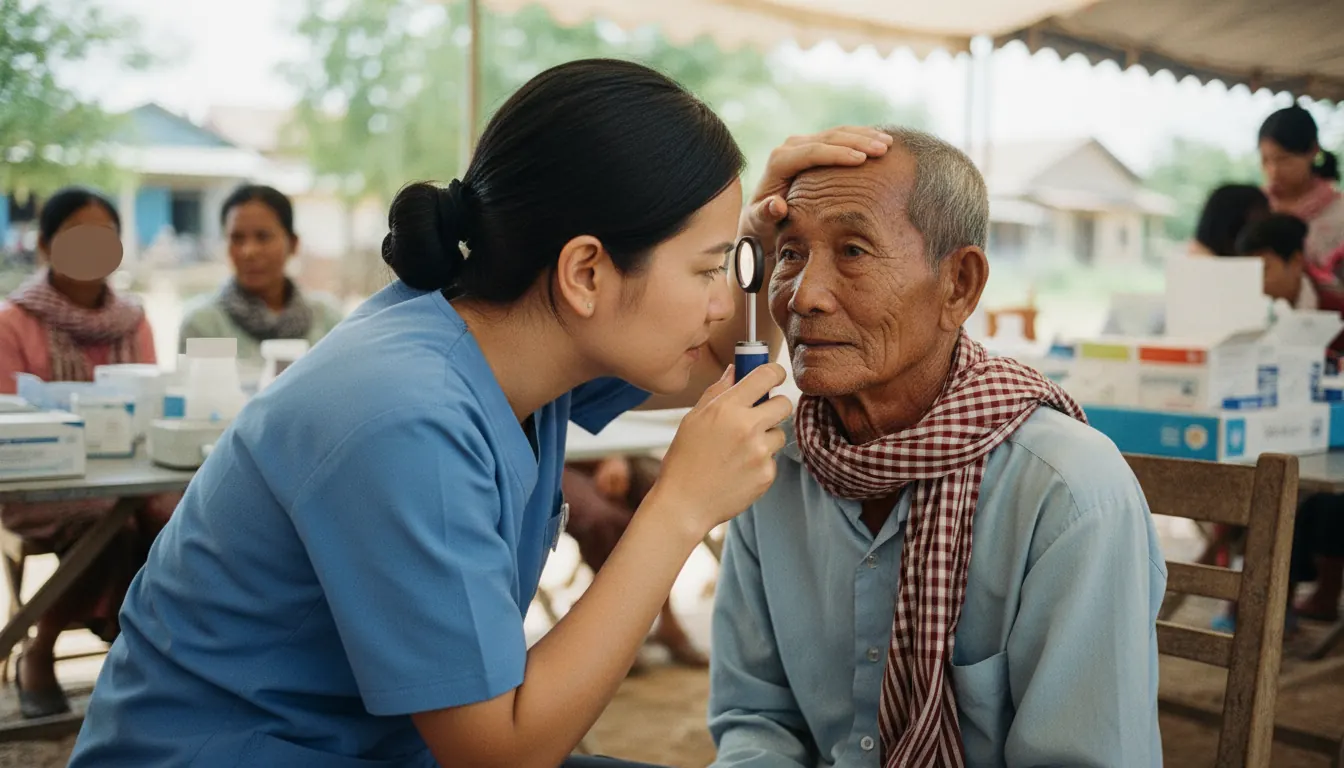
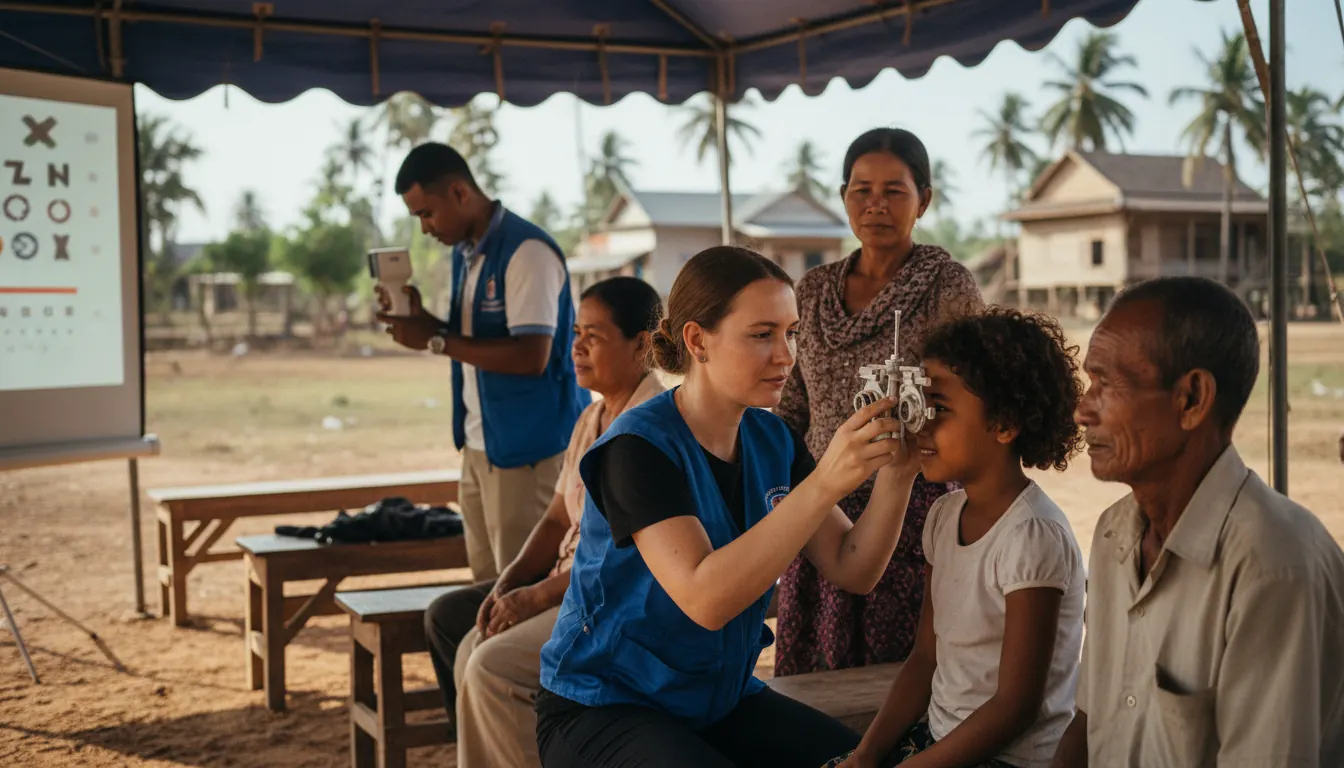
Through outreach camps in remote areas, Khmer Sight Foundation's volunteer projects reach between 8,000 and 12,000 patients every year. Usually, these intense operations last between five and seven days. During that time, teams from around the world and within the country do full eye exams, give out corrective glasses, and operate on conditions like cataracts and pterygium.
In addition to caring for patients directly, these missions give Cambodian eye care professionals who work with experienced foreign volunteers a chance to learn by doing. When people's vision is returned, it has a positive effect on the local economy because adults who can work can start gardening, making crafts, and doing other jobs that help support their families.
Full range of eye care services and training programs for professionals
To provide high-quality eye care in places with few resources, clinical services must be carefully combined with ongoing professional development for local practitioners. The foundation has two main goals: meeting the current needs of patients and building up the skills of the staff so that the organization can stay open in the long term.
Clinical Services for Communities That Aren't Well Taken Care Of
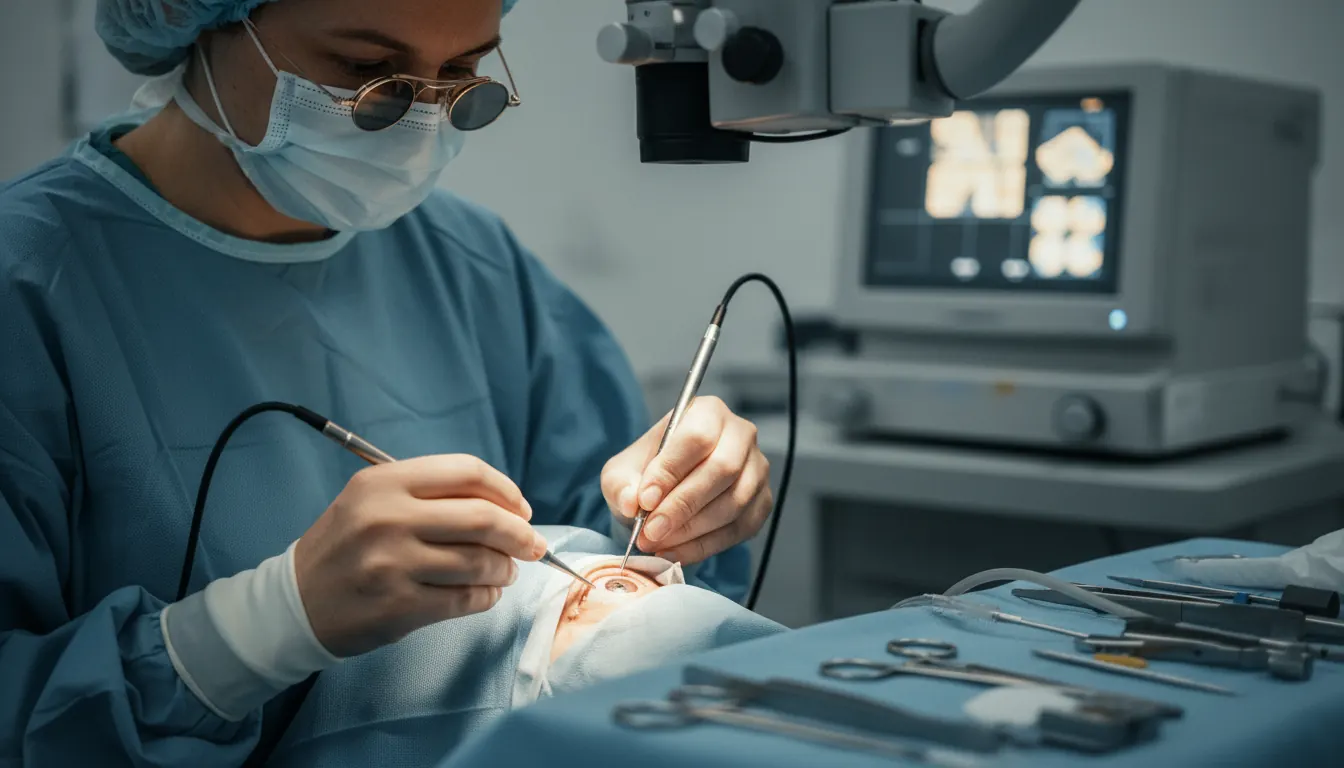
The foundation's professional services cover all types of common eye problems that people in Cambodia have, with a focus on blindness that can be treated. Cataract surgery has the most significant effect, changing people's lives with relatively easy operations that only take 15 to 20 minutes per eye. Mobile surgery units with the latest phacoemulsification technology bring these services directly to rural areas, making it easier for patients who had trouble getting to care because of transportation issues.
| Service Type | Target Population | Annual Volume | Outcome |
|---|---|---|---|
| Cataract surgery | Adults 50+ years old | 4,500 to 5,200 cases | Vision restored to functional levels |
| Refractive services | All ages | 15,000+ screenings | Corrective lenses distributed |
| Diabetic retinopathy screening | Adults with diabetes | 2,800 to 3,400 exams | Early detection and referral |
| Pediatric eye care | Children | 16,200+ exams | Treatment of amblyopia and strabismus |
Advanced Courses for People Who Work in Eye Care
The foundation's teaching method includes both classroom-based lessons and a lot of hands-on clinical experience. This makes sure that graduates have both academic knowledge and real skills. Anatomy, physiology, pathology, pharmacology, and diagnostic methods are taught in class using texts that are known all over the world along with case studies from Cambodia. Clinical rotations give students controlled practice with a wide range of patients and conditions, with more responsibility given as they show they can do it.
Partnership networks with medical groups from other countries
The Khmer Sight Foundation works with top eye hospitals in Australia, Europe, and North America to get access to the latest tools and knowledge. These relationships make it possible for foreign experts to share advanced techniques and gain cross-cultural clinical experience through volunteer rotations. Donations of equipment and technology from partner institutions allow the foundation to keep its testing and surgery skills up to date without having to pay too much for new equipment.
Volunteering opportunities and projects that reach out to the community
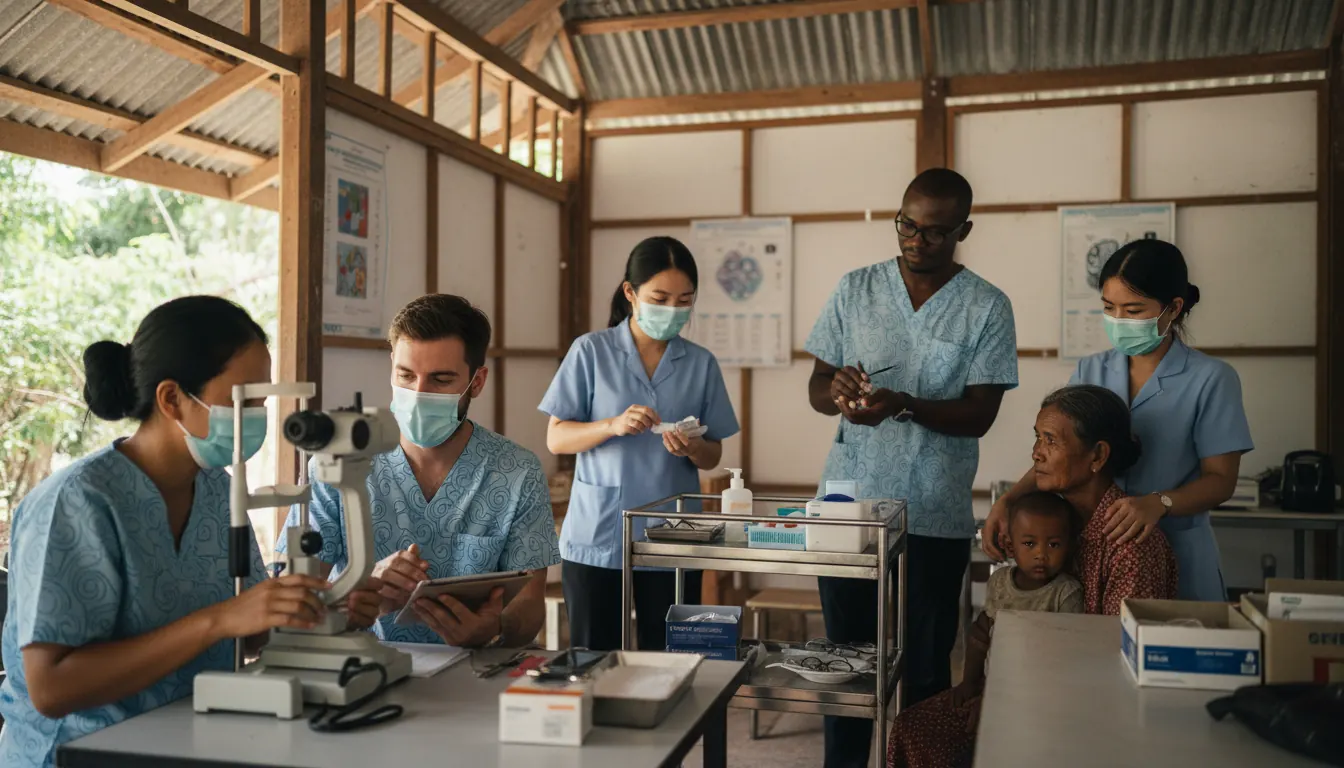
By going on eye care trips themselves, health workers can learn a lot about other cultures and share their specialized knowledge with communities that need it. The foundation's volunteer program is open to professionals at all points of their careers, from recent college graduates looking for work experience abroad to seasoned professionals who can help newcomers learn new skills and offer advice.
How to Join Volunteer Missions for the Khmer Sight Foundation
People who want to help should start by looking at the foundation's mission plan. This shows when the outreach camps are happening and what skills are needed for each one. On the khmersight.com website, you can find specific job listings for ophthalmologists, optometrists, nurses, technicians, and support staff for each mission. People who are interested send in their forms three to six months ahead of time, which gives enough time to check their credentials and make plans for logistics.
Different jobs require different professional skills. For example, doctors and prescribing practitioners need to be licensed and show proof of malpractice insurance. Personal travel costs to Cambodia and involvement fees that cover costs in the country like lodging, meals, and ground transportation are expected to be paid for.
Important Things to Do to Get Ready for Eye Care Mission Work
As of now, travel medicine advice says that you should get vaccinated against hepatitis A and B, typhoid, tetanus, and Japanese encephalitis well before you leave. Talk to a travel health expert at least eight weeks before you go to make sure you have enough time for a multi-dose vaccine series and to talk about malaria prevention choices that are right for the areas where the mission will be working.
Learn some simple Khmer words and Cambodian cultural norms that have to do with medical care. This will show respect for patients and local staff. Learn about the most common eye problems in Southeast Asia and look over any professional guidelines or treatment plans that the foundation uses.
Follow the foundation's thorough packing list, which lists recommended brands and amounts, to make sure you have the right medical supplies and personal protection equipment. Include humble clothes that are acceptable for the culture and can handle the hot, sticky, and dusty conditions that are common in remote villages.
Get trip insurance that covers medical evacuation, since mission sites may not have easy access to expert emergency services. Let your bank and credit card companies know when you'll be traveling so that transactions don't get blocked, and bring small amounts of both US dollars and Cambodian riel.
Get ready in your mind to work in places with few resources where the tools, supplies, and facilities are very different from those in Western healthcare situations. Remember that adaptability and teamwork are important for goal success and keep a positive mood.
Stories of past volunteer expeditions that went well
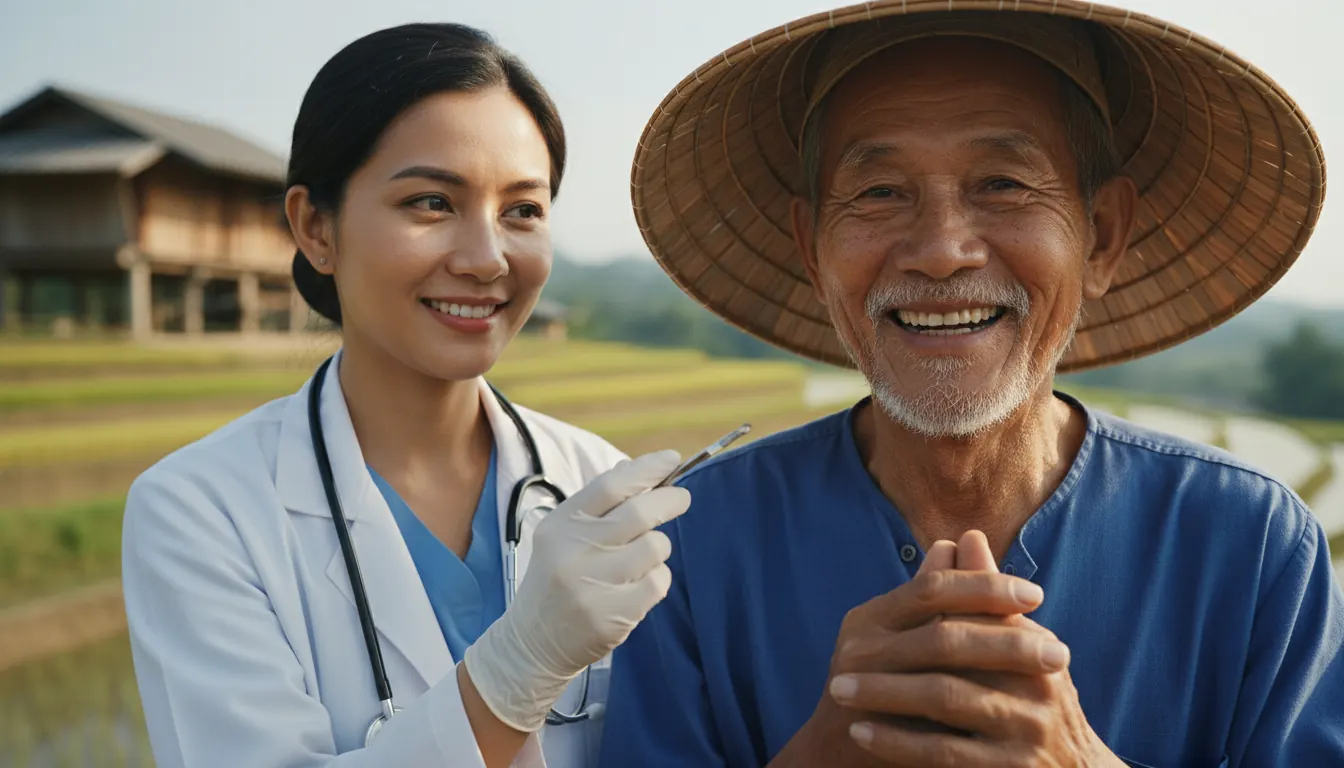
A trip to Kampong Thom province in 2023 helped a 67-year-old rice farmer who had been legally blind for three years because of cataracts in both eyes. After successful surgery on both eyes, he was able to see clearly again and went back to working on his family's land, which greatly increased the family's income and food security.
Volunteers always say that their experiences have been personally and professionally beneficial. They also say that they have gained a better understanding of the lack of resources and health disparities that affect billions of people around the world.
Casino charity programs help with eye health projects
More and more, new funding methods are linking the entertainment industry with humanitarian causes. These partnerships are mutually helpful and make more money available for global health projects. International medical charities are getting a lot of money from the gaming industry. Companies use corporate social responsibility programs and customer involvement tactics to get people to donate a lot of money.
How the gaming industry helps eye care groups raise money
The gaming and entertainment business is becoming more aware of how important corporate social responsibility is to brand image and community ties. As a result, many casino owners have set up charity organizations to support human and health services. Vision health is becoming a popular topic of study because eye care treatments have measurable, life-changing effects with a relatively low cost compared to other medical fields.
Every year, big casino resorts in places like Las Vegas, Macau, and Singapore hold galas and poker games to raise money for international medical nonprofits. These events use the game industry's infrastructure and fan base to raise a lot of money for charity while also being fun for everyone who attends. Casino companies offer corporate matching programs that make the gifts of individual employees even more powerful by doubling or tripling the amount given to accepted charities.
Top Casino Charity Models for Giving Money to Medical Missions
- Charity tournaments: Tournaments that raise money for good causes turn poker, blackjack, and other gambling games into ways to help people in need. Entrance fees and a part of the house edge go to the good causes. Charity events at the World Series of Poker have raised millions of dollars for a wide range of groups. Some of these organizations focus on foreign health projects, such as eye care programs in Southeast Asia.
- Percentage-of-revenue donation programs: Gaming companies agree to give a set amount of their income from certain machines, tables, or times to partner causes as part of percentage-of-revenue donation programs. Through this model, charity organizations can plan their budgets for multi-year programs based on steady streams of funds.
- VIP patron involvement programs: VIP patron involvement programs let high-roller guests choose which causes to receive company donations in their honor. This makes corporate giving more personal while also building stronger relationships with customers. The hosts of casinos help connect big donors with charity workers by setting up site visits and impact talks that make people feel more connected to the cause.
- Employee volunteer programs: Employee volunteer programs give casino workers paid time off and help with travel so they can do good deeds. This way, the companies can give both money and people. People who work in the gaming business bring useful skills in planning, customer service, and hospitality that make missions run more smoothly and make patients' stays better.
- Awareness campaigns: Sponsored campaigns use the huge amount of media coverage and foot traffic that casinos get to teach millions of tourists about ways to avoid blindness and what can be done to help. With digital screens, brochures, and other marketing tools, places where people normally have fun can become places where people learn about public health.
Getting charitable organizations and entertainment venues to work together
Charity organizations and casino owners must share the same ideals, be open about how they run their businesses, and make it clear how working together will help both parties. Medical charities need to show that they have good governance, are responsible with their money, and get results that can be measured so that business partners can safely tell stakeholders about them. Gaming companies look for partnerships that improve their "social license to operate." This is especially important in markets where getting permission from regulators and the community to do business is important.
How to Measure Effects and Keep Long-Term Vision Health Programs Going
Effective charity organizations must show that they are accountable by measuring their actions, results, and use of resources in a systematic way. The Khmer Sight Foundation uses thorough tracking and review systems that keep an eye on both quantitative measures and qualitative accounts. This way, everyone can see how their efforts directly affect people's vision health.
What are the most important performance indicators for eye care charities?
Quantitative measures are important for holding donors, government partners, and recipients accountable for how resources are used to get results. Khmer Sight Foundation keeps track of the number of surgeries, training completions, and patient results by using standard data collection methods that are in line with international reporting standards. Cost-effectiveness analyses figure out how much money needs to be spent to help one patient, restore one's vision, or train a professional. This lets you compare different treatments and groups.
| Metric Category | Specific Indicator | Measurement Method | Reporting Frequency |
|---|---|---|---|
| Service Delivery | Surgical procedures performed | Clinical database records | Monthly and yearly |
| Training Programs | Exam results and graduation records | Academic tracking system | Every six months |
| Geographical Coverage | Provinces with active programs | Service delivery maps | Every three months |
| Patient Outcomes | Visual acuity improvement rates | Follow-up examination data | Yearly every six months |
Strategies for Financial Transparency and Donor Engagement
Annual inspected financial records made according to international accounting standards show where money comes from, how it is spent, and how much is saved in reserves. The foundation puts these papers in a prominent place on khmersight.com along with easy-to-read story reports that explain financial results. Donor recognition programs thank donors for their gifts at different levels through emails, online features, and event calls that keep donors involved without adding too much to the organization's costs.
Diversified funding sources make an organization less reliant on a single source of income, which improves its strategy independence and durability. One part of this multifaceted approach is the charity programs that casinos offer. These programs work with traditional ways of giving to help others in new ways that use the resources of the entertainment business.
Plans for Khmer Sight Foundation Services to Grow in the Future
Setting up more training satellites in Cambodia's eastern and northern provinces is one of the country's strategic goals for the next ten years. This will bring education closer to practitioners in these neglected areas. The goal of technology integration projects is to set up telemedicine networks that will connect rural health centers with eye specialists so that patients can see specialists and talk about their cases from a distance. Expanding research will help build more proof on how eye diseases spread, how well treatments work, and new ways to provide services in Cambodia and other low-resource places like it.
Frequently Asked Questions
What do people need to be able to do to help with Khmer Sight Foundation missions?
Medical workers must have up-to-date licenses in their home country and appropriate practical training in eye care areas. The main clinical team is made up of ophthalmologists, optometrists, and ophthalmic nurses. To help them out, there are also volunteers with skills in planning, management, or public health. Everyone who wants to take part must show that they are sensitive to other cultures, able to change, and dedicated to the foundation's goal of long-term capacity building.
How does the organization make sure that surgeries are safe and of high quality?
Professional groups like the International Council of Ophthalmology and the American Academy of Ophthalmology have set international best practice standards that all surgical procedures must follow. Procedures for sterile technique, preventing infections, and making sure patients are safe meet or go beyond the standards used in developed countries, and there are regular quality assurance reviews and checks.
How much of the money that is given goes directly to projects and how much goes to management costs?
About 87% of donations go directly to program activities like training, clinical services, and mission operations. The other 13% goes to important administrative tasks and funding. This number is good compared to benchmarks in the charity sector, and it shows how efficient the foundation's operations are and how its volunteer-driven approach keeps costs low.
Can one person support certain cases or training scholarships?
Yes, the foundation does offer designated giving choices. Donors can pay for full cataract surgeries, training scholarships for eye care professionals, or the purchase of equipment for certain facilities. People who make these focused gifts get thorough reports on the results, which include patient stories or trainee profiles that show how the money was used directly.
How has COVID-19 changed the way missions work and training programs?
International volunteer missions had to be put on hold briefly because of the pandemic in 2020 and 2021. At the same time, training programs had to be changed to include both online and hands-on components. The fact that important clinical services were kept up by Cambodian staff during this time shows that investments in building up local skills were successful.
In conclusion
The Khmer Sight Foundation is a good example of how strategic investments in teaching local eye care professionals can improve the health of underserved groups in the long term. Their all-encompassing strategy, which includes clinical services, professional development, and volunteer missions, tackles both the current needs of patients and the long-term capacity building necessary for long-term change. Innovative relationships with a wide range of fans, such as gambling charity programs, show how people from different sectors can work together to solve global health problems. People who want to make a real difference in global health equity will find many ways to do so by supporting or working with this reputable group.