How Volunteer Missions Improve Access to Eye Care
Volunteer medical missions represent a critical mechanism for extending eye care services to populations facing geographic, economic, and infrastructure barriers that prevent access through conventional healthcare delivery systems. These intensive outreach initiatives bring together international specialists and local practitioners to deliver concentrated surgical interventions, comprehensive screenings, and hands-on training in communities where permanent ophthalmology services remain unavailable or prohibitively expensive. Beyond immediate patient care, volunteer missions catalyze sustainable improvements in local capacity through knowledge transfer, equipment donations, and partnership development that create lasting infrastructure for continued service delivery after international teams depart.
Service Delivery Models and Patient Impact
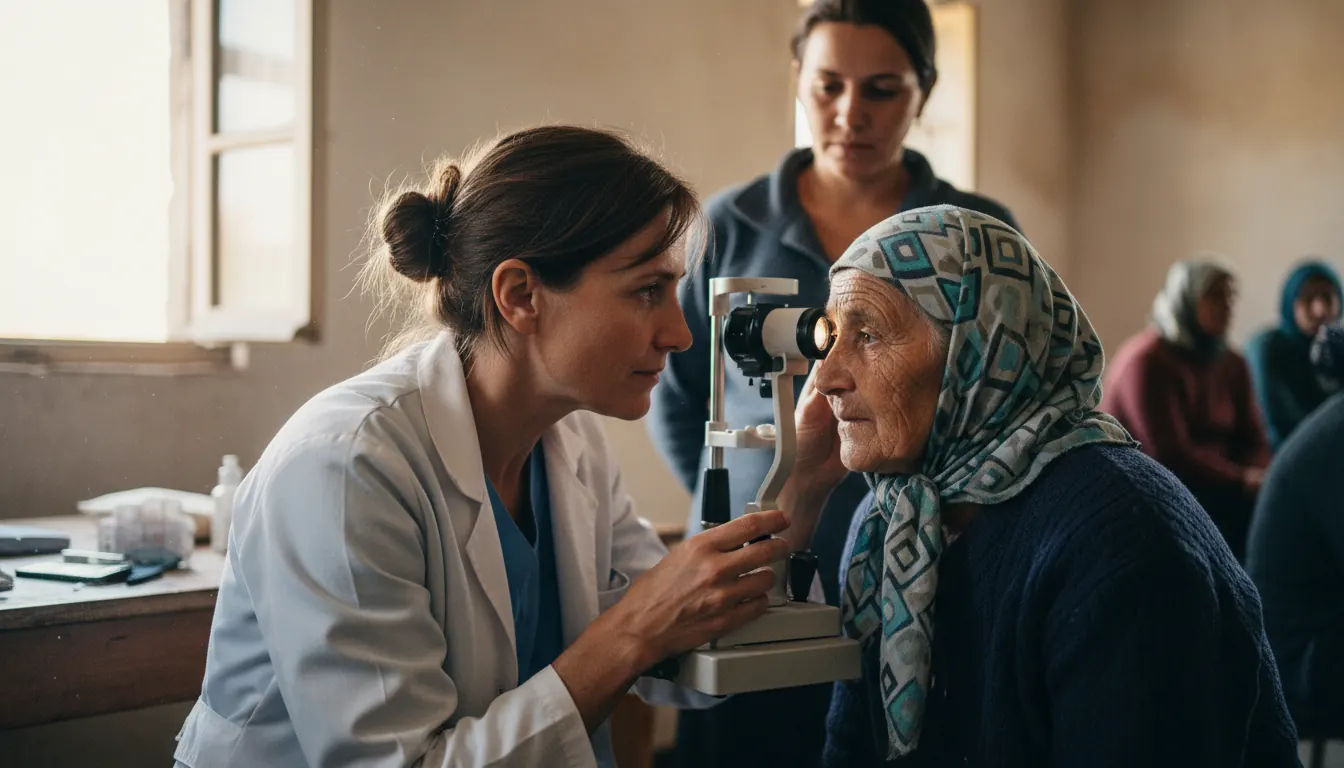
Volunteer eye care missions employ diverse operational approaches tailored to local conditions, available infrastructure, and specific community needs. Mobile surgical units equipped with portable phacoemulsification technology enable cataract surgery in village health centers lacking permanent operating rooms. Vision screening camps identify refractive errors, glaucoma, diabetic retinopathy, and other conditions requiring intervention while distributing corrective lenses to those with simple myopia or presbyopia. Pediatric-focused missions address amblyopia, strabismus, and congenital conditions that impair childhood development and educational outcomes.
| Mission Type | Services Provided | Typical Patient Volume |
|---|---|---|
| Surgical Mission | Cataract surgery, pterygium removal | 200-300 procedures per week |
| Screening Camp | Comprehensive exams, refraction, lens distribution | 800-1,200 patients per week |
| Training Mission | Surgical mentorship, diagnostic instruction | 15-25 local practitioners trained |
| Pediatric Mission | Amblyopia treatment, strabismus correction | 150-250 children examined |
"The volunteer mission restored my grandmother's vision after three years of blindness from cataracts—she can now cook, care for her grandchildren, and maintain her independence, transforming our entire family's daily life."
Barriers Addressed Through Mission Work
Volunteer missions overcome multiple access barriers simultaneously, creating opportunities for eye care intervention that would otherwise remain unavailable to rural and low-income populations. Geographic isolation prevents many communities from reaching distant urban hospitals where ophthalmology services concentrate, while transportation costs and time away from livelihood activities create prohibitive economic barriers even when services theoretically exist. Volunteer missions eliminate these obstacles by bringing care directly to patients in familiar community settings.
- Direct service delivery in remote villages eliminates transportation barriers and opportunity costs of distant travel
- Subsidized or free treatment overcomes economic barriers for low-income populations without insurance coverage
- Cultural mediation through local health workers reduces hesitation about unfamiliar medical procedures
- Concentrated service periods allow entire families to receive care during single mission deployment
- Equipment donations and infrastructure improvements create lasting clinical capacity beyond mission duration
Sustainability Through Local Capacity Building
The most effective volunteer missions prioritize training and knowledge transfer alongside direct patient care, ensuring communities develop internal expertise to maintain services independently. International volunteers mentor local practitioners through supervised surgical procedures, diagnostic technique instruction, and patient management protocols that build clinical confidence and competence. Equipment donations, facility upgrades, and partnership networks established during missions create infrastructure supporting continued care delivery long after international teams return home, transforming temporary interventions into sustainable improvements in population health outcomes.