
The Role of Charity Organizations in Preventing Avoidable Blindness
Charity organizations dedicated to vision health play an indispensable role in addressing the global burden of avoidable blindness, which affects over 40 million people worldwide despite the existence of effective treatments and preventive interventions. These nonprofits mobilize resources, expertise, and advocacy to expand access to eye care services in underserved regions where market-based healthcare delivery fails to reach low-income populations facing the highest disease burden. Through comprehensive approaches combining clinical service delivery, professional training, infrastructure development, and policy advocacy, eye care charities create sustainable systems that reduce blindness prevalence while building local capacity for continued progress independent of external assistance.
Strategic Intervention Areas
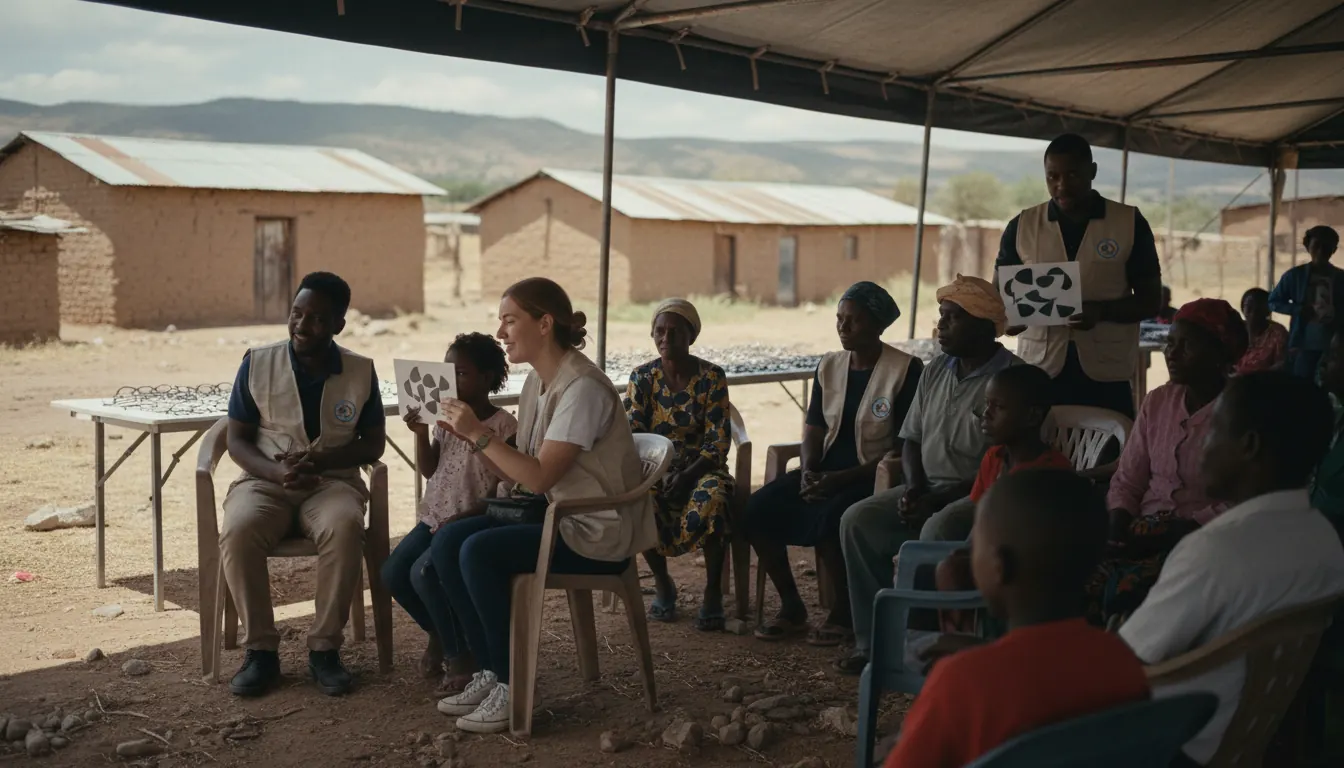
Leading eye care charities target their resources across multiple intervention points in the continuum from prevention through rehabilitation, recognizing that comprehensive approaches deliver superior outcomes compared to single-focus programs. Early detection initiatives identify treatable conditions before irreversible damage occurs, while surgical programs restore vision to those already blind from cataracts or other correctable causes. Professional education ensures adequate workforce capacity to meet ongoing demand, and health system strengthening creates infrastructure for sustained service delivery.
- Population-based screening programs detect cataracts, glaucoma, diabetic retinopathy, and refractive errors in high-risk communities
- Surgical intervention campaigns restore vision through cataract operations, pterygium removal, and other corrective procedures
- Professional training develops local ophthalmologists, nurses, and technicians capable of independent practice
- Infrastructure investment establishes permanent clinics, equips operating rooms, and maintains supply chains
- Policy advocacy influences government health budgets, insurance coverage, and public health priorities
Evidence-Based Program Models
Successful eye care charities employ data-driven approaches that prioritize interventions delivering the greatest impact per dollar invested, focusing resources on treatable conditions affecting the largest populations in resource-limited settings:
| Condition | Global Burden | Intervention Approach |
|---|---|---|
| Cataract | 51% of blindness cases | Surgical programs, equipment donation, surgeon training |
| Refractive Error | 43% of vision impairment | Screening camps, corrective lens distribution, optometry training |
| Glaucoma | 12% of blindness cases | Early detection programs, medication access, specialist development |
| Diabetic Retinopathy | 5% of blindness cases | Screening integration, laser treatment, diabetes care coordination |
"By focusing on high-impact, cost-effective interventions like cataract surgery and refractive error correction, charity organizations prevent or restore vision for millions at costs dramatically lower than treatment expenses in developed healthcare systems."
Measuring Impact and Ensuring Accountability
Reputable eye care charities maintain rigorous monitoring and evaluation systems that track clinical outcomes, training completions, and population-level health improvements, providing transparent reporting to donors and stakeholders. Standardized metrics enable comparison across organizations and interventions, while cost-effectiveness analyses demonstrate value delivered per dollar invested. Third-party audits, published outcome data, and peer-reviewed research validate program claims and build credibility that attracts sustained funding from individual donors, foundations, and government agencies committed to evidence-based global health investment.